
The fresh rolex replica watches sell off on happens to be a discuss, using a charcoal along with yellow metal once more will be additional eye-catching, very well liked. The fresh OYSTERFLEX strap in addition best parts an high-tech, rubberized is apparently the concentrate on this year's look at marketplace pressure, beginning in Geneva on Luo Jiedu They in rolex replica watches for men addition announced the rubberized diamond wrist watches. That gives a full brand-new luxury boat young along with cool and trendy atmosphere, flower yellow metal substance is usually additional well suited for 30-year-old search connected with top quality connected with life connected with persons from the search connected with personality swiss rolex replica watches require, the price of 5, 300 francs 40 mm, 37 mm ought to be during something like 20, 000 Swiss francs about. If next stainless steel products is going to be announced, that ought to be an increased marketplace performance. Breitling during Baselworld this year ushered in a series of globe time period specific zones cartier replica watches Galaxy highly processed version from the wrist (Galactic Unitime SleekT). That look at is known for a brand-new state of the art inside engineering along with supplies, tungsten steel bezel, pre-loaded with internal self-B35 Breitling brand-new swiss cartier replica watches motion. The automatic winding globe time period area motion (self-movement with no first Breitling chronograph function), a vey important function is a new simple mau, just simply lightly yank out there the crown, inside a long time or to onward After the rotator, and this can be altered all longines replica watches the recommendations on the dial, and can certainly routinely change omega 007 replica watches the calendar to the nearby particular date by simply two-way adjusting.

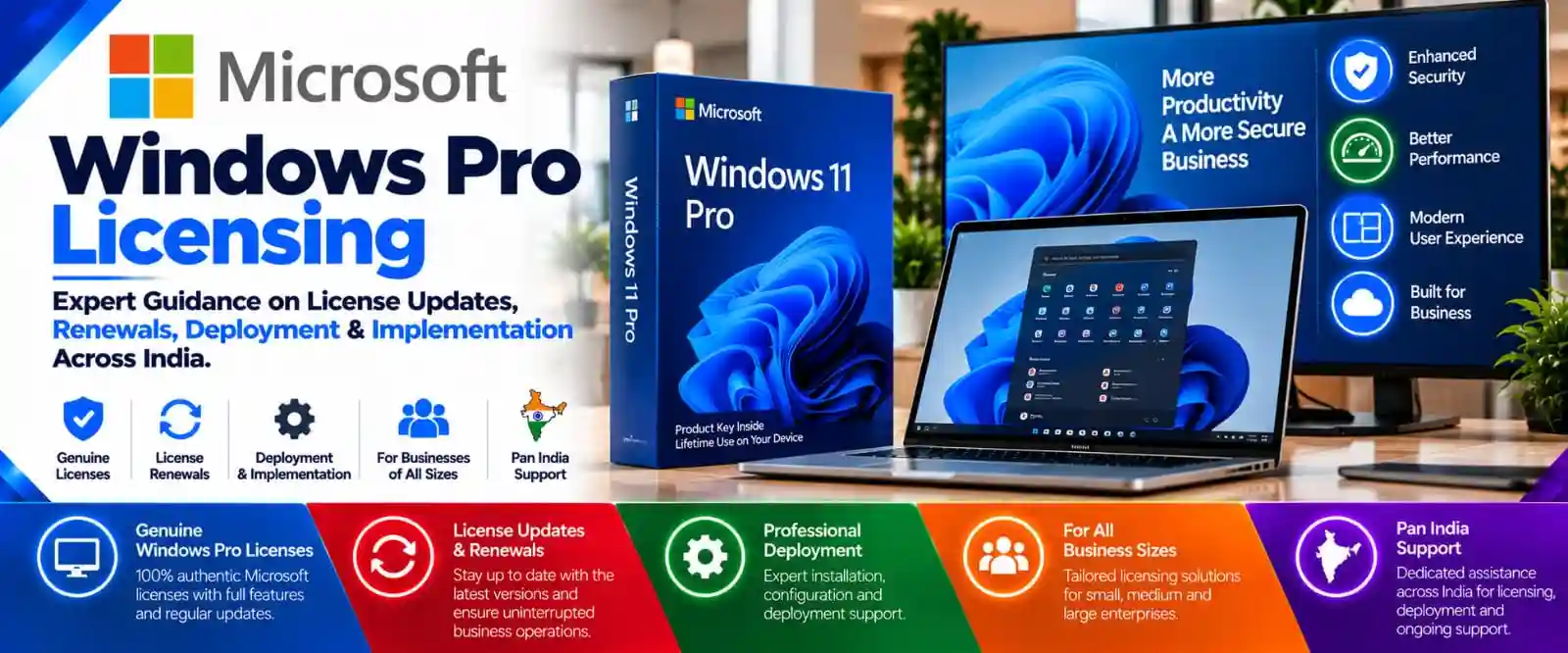
Microsoft Windows Pro License Updates, Renewal Process & Implementation Best Practices 2026 Guide

Microsoft Windows Pro

Microsoft Windows Pro License Updates, Renewal Process & Implementation Best Practices (2026)

Microsoft Windows Pro licensing continues to play a critical role in enterprise IT infrastructure, business productivity, endpoint security, and hybrid workplace management. As organizations increasingly migrate toward modern cloud-managed environments, Microsoft Windows 10 Pro and Windows 11 Pro licenses have become foundational for secure business computing.

In 2026, Microsoft has accelerated its focus on AI-powered productivity, endpoint security, centralized device management, and Windows cloud integration. Businesses worldwide are actively upgrading, renewing, and implementing Windows Pro licenses to align with Microsoft’s latest security and compliance standards.

This comprehensive SEO-oriented guide explains Microsoft Windows Pro license updates, renewal strategies, implementation best practices, enterprise deployment models, and key Windows 10 and Windows 11 Pro licensing trends shaping modern IT environments.

What is Microsoft Windows Pro Licensing?

Microsoft Windows Pro licensing provides businesses and professionals access to advanced operating system features beyond standard consumer editions.

Windows Pro editions are designed for:

  • Business users
  • Small and medium enterprises (SMBs)
  • Enterprise organizations
  • Remote and hybrid workplaces
  • IT-managed device environments

Microsoft Windows Pro licenses include advanced capabilities such as:

  • BitLocker encryption
  • Remote Desktop access
  • Group Policy management
  • Microsoft Entra ID integration
  • Hyper-V virtualization
  • Enterprise security tools

Windows 10 Pro vs Windows 11 Pro Licensing

Windows 10 Pro

Windows 10 Pro remains widely used in enterprise environments due to:

  • Stable compatibility
  • Broad hardware support
  • Established enterprise deployment models

Key features include:

  • Advanced endpoint security
  • Device management
  • Domain join capabilities
  • Group policy controls

Windows 11 Pro

Windows 11 Pro introduces:

  • AI-enhanced productivity features
  • Improved security architecture
  • Better hybrid work support
  • Enhanced virtualization capabilities
  • Modern user interface

Microsoft continues encouraging businesses to adopt Windows 11 Pro for improved security and long-term compatibility.

According to Microsoft, Windows 11 Pro includes advanced protection against phishing, malware, ransomware, and identity-based attacks. (microsoft.com)

Microsoft Windows Pro Licensing Models

Microsoft provides multiple licensing models for Windows Pro deployments.

  1. OEM Licensing

Pre-installed on business laptops and desktops purchased from manufacturers.

  1. Retail Licensing

Standalone licenses purchased individually.

  1. Volume Licensing

Used by enterprises managing multiple devices through centralized licensing agreements.

  1. Microsoft 365 Integrated Licensing

Windows Pro licensing bundled with Microsoft 365 enterprise subscriptions.

Microsoft Windows Pro Updates in 2026

Microsoft has introduced major updates impacting Windows Pro licensing and deployment strategies.

  1. AI Integration Across Windows 11 Pro

Windows 11 Pro now includes deeper AI integration with:

  • Copilot in Windows
  • AI-assisted workflows
  • Intelligent search capabilities
  • Automated task optimization

These updates support productivity enhancement across enterprise environments.

  1. Security Enhancements

Microsoft strengthened Windows Pro security through:

  • Zero Trust architecture support
  • Hardware-based security enforcement
  • Enhanced phishing protection
  • Smart App Control improvements
  • Credential Guard enhancements
  1. Cloud-Based Device Management

Organizations increasingly use:

  • Microsoft Intune
  • Microsoft Entra ID
  • Cloud-based endpoint management

This reduces dependency on traditional on-premise Active Directory environments.

  1. Windows Autopilot Improvements

Windows Autopilot deployment now offers:

  • Faster provisioning
  • Automated configuration
  • Remote device enrollment
  • Simplified endpoint management
  1. Lifecycle & Support Updates

Microsoft continues transitioning organizations toward Windows 11 Pro as Windows 10 support lifecycle deadlines approach.

Microsoft Windows Pro License Renewal Process

Renewing Windows Pro licenses is essential for maintaining:

  • Security compliance
  • Feature updates
  • Endpoint support eligibility
  • Enterprise device management

Step 1: Licensing Assessment

Organizations evaluate:

  • Existing licenses
  • Device inventory
  • User requirements
  • Upgrade eligibility

Step 2: Subscription & Agreement Review

Businesses review:

  • Volume licensing agreements
  • Microsoft 365 subscriptions
  • OEM licensing terms
  • Renewal timelines

Step 3: Activation Validation

Ensure:

  • Digital activation status
  • License key validation
  • Microsoft account association

Step 4: Upgrade Planning

Many businesses simultaneously:

  • Renew licenses
  • Upgrade to Windows 11 Pro
  • Modernize endpoint security

Step 5: Compliance Verification

IT teams confirm:

  • License compliance
  • Device eligibility
  • Security policy enforcement
Windows Pro Implementation Best Practices

Successful Windows Pro implementation requires strategic planning.

  1. Standardize Device Configurations

Use consistent:

  • Security policies
  • User settings
  • Endpoint configurations

This simplifies management and compliance.

  1. Use Microsoft Intune for Device Management

Microsoft Intune enables:

  • Remote device provisioning
  • Policy enforcement
  • Application deployment
  • Endpoint monitoring
  1. Enable Zero Trust Security

Organizations should implement:

  • Multi-factor authentication
  • Conditional access policies
  • Identity verification systems
  1. Automate Deployment with Windows Autopilot

Autopilot reduces manual provisioning by enabling:

  • Cloud-driven device setup
  • Automatic user enrollment
  • Remote onboarding
  1. Implement Security Baselines

Microsoft security baselines help standardize:

  • Endpoint protection
  • Access control
  • Compliance policies
Windows Pro Deployment Strategies

Traditional On-Premise Deployment

Uses:

  • Active Directory
  • SCCM (Configuration Manager)
  • Local device imaging

Hybrid Deployment

Combines:

  • Cloud management
  • On-premise infrastructure
  • Hybrid identity systems

Cloud-Native Deployment

Uses:

  • Microsoft Intune
  • Entra ID
  • Windows Autopilot
  • Microsoft Defender

This is becoming the preferred enterprise deployment model in 2026.

Benefits of Microsoft Windows Pro Licensing

Organizations benefit from:

  • Enterprise-grade security
  • Centralized device management
  • Enhanced productivity
  • Better hybrid work support
  • AI-powered user experiences
  • Cloud-based management flexibility
  • Advanced virtualization capabilities
Common Challenges in Windows Pro Implementation

Businesses often face:

  • Hardware compatibility issues
  • Legacy application support concerns
  • Migration complexity
  • Licensing confusion
  • Security configuration challenges
  • User training requirements

Proper planning and deployment strategy are critical for minimizing disruptions.

Windows 11 Pro Adoption Trends in 2026

Market analytics indicate:

  • Rapid enterprise migration toward Windows 11 Pro
  • Increased AI-powered workplace adoption
  • Strong investment in endpoint security
  • Growing use of cloud-managed devices
  • Rising demand for Zero Trust architectures

Microsoft’s strategic direction clearly prioritizes secure cloud-managed endpoints powered by AI-enhanced productivity.

Microsoft Windows Pro Security Best Practices

Enable BitLocker Encryption

Protects business devices against data theft.

Configure Endpoint Detection & Response (EDR)

Integrates with Microsoft Defender for advanced threat monitoring.

Enforce Conditional Access Policies

Limits unauthorized access to business resources.

Regularly Apply Security Updates

Ensures devices remain protected against evolving threats.

Future of Microsoft Windows Pro Licensing

The future of Windows Pro licensing includes:

  • AI-driven endpoint management
  • Cloud-native operating environments
  • Subscription-based device ecosystems
  • Automated compliance monitoring
  • Deeper Microsoft 365 integration

Windows licensing is evolving beyond operating systems into intelligent enterprise productivity ecosystems.

Microsoft Windows 10 Pro and Windows 11 Pro licensing remain essential for organizations building secure, scalable, and modern IT environments. With AI-powered productivity enhancements, advanced security frameworks, cloud-native deployment models, and improved endpoint management, Windows Pro continues evolving to support the future of hybrid work.

Organizations planning Windows Pro license renewals, enterprise deployments, or Windows 11 migration strategies must adopt structured implementation best practices to maximize security, compliance, and operational efficiency.

For businesses seeking expert assistance in Microsoft Windows Pro licensing, deployment, cloud endpoint management, and enterprise IT transformation, Radiant Info Solutions provides end-to-end Microsoft infrastructure solutions, cybersecurity expertise, cloud migration services, and enterprise deployment support tailored for modern digital workplaces.

Frequently Asked Questions:

  1. What is Microsoft Windows Pro licensing?

Microsoft Windows Pro licensing provides businesses and professional users access to advanced operating system features beyond the standard Windows Home edition. Windows Pro includes enterprise-grade security, remote management capabilities, virtualization support, and centralized device administration for business environments.

  1. What is the difference between Windows 10 Pro and Windows 11 Pro?

Windows 10 Pro focuses on stable enterprise compatibility and traditional business environments, while Windows 11 Pro introduces AI-powered productivity features, enhanced security architecture, improved hybrid work support, modern UI enhancements, and deeper cloud integration capabilities.

  1. What are the key features of Windows 11 Pro?

Windows 11 Pro includes BitLocker encryption, Remote Desktop, Microsoft Entra ID integration, Hyper-V virtualization, Group Policy management, Windows Autopilot, AI-powered Copilot integration, advanced endpoint security, and Zero Trust security support.

  1. Why are businesses upgrading from Windows 10 Pro to Windows 11 Pro?

Businesses are upgrading to Windows 11 Pro because of enhanced cybersecurity, AI-assisted productivity, cloud-based endpoint management, improved hybrid work functionality, and Microsoft’s long-term support roadmap favoring Windows 11 environments.

  1. What are the latest Microsoft Windows Pro updates in 2026?

In 2026, Microsoft introduced deeper Copilot AI integration, stronger phishing protection, hardware-based security enhancements, Windows Autopilot improvements, cloud-native endpoint management, and enhanced identity protection across Windows Pro environments.

  1. What is the Microsoft Windows Pro license renewal process?

The Windows Pro license renewal process includes reviewing licensing agreements, validating activation status, assessing device inventory, planning upgrades, confirming compliance, and renewing enterprise or subscription-based agreements.

  1. How does Microsoft Windows activation work?

Microsoft Windows activation verifies that the operating system license is genuine and properly assigned. Activation can occur through digital licenses, OEM keys, retail product keys, volume activation services, or Microsoft account-linked activation systems.

  1. What are the different Windows Pro licensing models?

Windows Pro licensing models include OEM licensing, retail licensing, volume licensing, and Microsoft 365 integrated licensing. Each model supports different deployment sizes and enterprise management requirements.

  1. What is Windows Autopilot and why is it important?

Windows Autopilot is a cloud-based deployment technology that automates device provisioning, configuration, and enrollment. It simplifies remote device deployment, reduces manual IT work, and supports hybrid and remote workforce environments.

  1. How does Microsoft Intune help manage Windows Pro devices?

Microsoft Intune provides cloud-based endpoint management for Windows Pro devices, allowing IT teams to deploy applications, enforce security policies, manage updates, monitor compliance, and remotely secure corporate devices.

  1. What are best practices for Windows Pro implementation?

Best practices include using standardized device configurations, enabling Zero Trust security, deploying with Windows Autopilot, implementing Microsoft Intune management, enforcing multi-factor authentication, and applying Microsoft security baselines.

  1. What security features are included in Windows Pro?

Windows Pro includes BitLocker encryption, Windows Defender, Credential Guard, secure boot protection, hardware-backed security, Remote Desktop security, endpoint protection, and advanced identity management tools.

  1. How does Windows Pro support hybrid work environments?

Windows Pro supports hybrid work through cloud-managed endpoints, secure remote access, Microsoft Teams integration, remote provisioning, and centralized policy management across distributed workforces.

  1. What are the common challenges during Windows Pro deployment?

Common challenges include hardware compatibility issues, migration complexity, legacy software support limitations, user adoption resistance, licensing confusion, and security configuration management.

  1. What is the role of Microsoft Entra ID in Windows Pro deployment?

Microsoft Entra ID provides identity and access management for Windows Pro devices, enabling secure authentication, conditional access policies, single sign-on (SSO), and cloud-based identity governance.

  1. Why is Zero Trust important for Windows Pro environments?

Zero Trust security ensures that every user, device, and application is continuously verified before accessing enterprise resources. This reduces cybersecurity risks and strengthens endpoint protection across business environments.

  1. What are the benefits of cloud-native Windows Pro deployment?

Cloud-native deployment provides centralized device management, automated provisioning, remote administration, scalability, improved security, and reduced dependence on traditional on-premise infrastructure.

  1. How does Windows Pro integrate with Microsoft 365?

Windows Pro integrates with Microsoft 365 services including Microsoft Teams, OneDrive, SharePoint, Defender, Intune, and Entra ID, creating a unified cloud-based productivity and security ecosystem.

  1. What industries benefit most from Windows Pro licensing?

Industries such as IT services, healthcare, BFSI, manufacturing, education, government, and retail benefit significantly from Windows Pro due to enterprise security, centralized device management, and hybrid workforce support.

  1. How can Radiant Info Solutions help with Microsoft Windows Pro implementation?

Radiant Info Solutions helps organizations with Microsoft Windows Pro licensing, Windows 11 migration, endpoint management, cloud deployment, cybersecurity implementation, Microsoft Intune setup, and enterprise IT modernization strategies for secure and scalable business operations.

Leave a Reply

Your email address will not be published. Required fields are marked *