
Microsoft Office 365 License Packages: Pricing, Support, Cost & Implementation Strategy (2026)
Microsoft Office 365, now part of the broader Microsoft 365 ecosystem, continues to be one of the most widely adopted cloud productivity platforms for businesses worldwide. In 2026, organizations are increasingly relying on Microsoft 365 license packages for secure communication, AI-powered productivity, hybrid work enablement, and enterprise-grade cloud collaboration.
With evolving Microsoft Office 365 license pricing structures, enhanced AI integration, and updated enterprise deployment frameworks, businesses are focusing on optimized licensing strategies to reduce complexity and improve scalability.
This guide provides a comprehensive SEO-dense overview of Microsoft Office 365 license packages, pricing models, cost structure, support systems, and implementation strategies for modern enterprises.
What are Microsoft Office 365 License Packages?
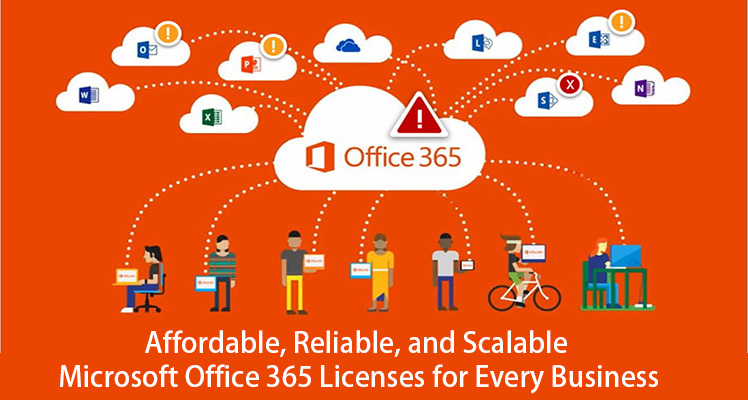
Microsoft Office 365 license packages are subscription-based plans that provide access to Microsoft cloud services, productivity tools, collaboration platforms, and security features.
These packages are designed for:
- Small businesses
- Medium enterprises
- Large organizations
- Government institutions
- Educational organizations
Each Microsoft 365 licensing package includes different levels of:
- Productivity tools
- Security features
- Cloud storage
- Communication services
- AI capabilities
Microsoft Office 365 License Packages Overview (2026)
- Microsoft 365 Business Basic
Designed for cloud-first organizations that need essential collaboration tools.
Includes:
- Microsoft Teams
- Exchange Online email hosting
- OneDrive cloud storage
- SharePoint Online
- Web and mobile Office apps
- Microsoft 365 Business Standard
Includes:
- Desktop Office applications
- Microsoft Teams
- Exchange Online
- OneDrive and SharePoint
- Full productivity suite
- Microsoft 365 Business Premium
Includes advanced features:
- Enhanced security
- Microsoft Defender integration
- Device management via Intune
- Advanced identity protection
- Microsoft 365 Enterprise Plans (E3/E5)
Enterprise-grade solutions offering:
- Advanced compliance tools
- AI-powered productivity (Copilot)
- Enterprise security architecture
- Large-scale deployment capabilities
Microsoft Office 365 Pricing Structure (2026 Overview)
Microsoft Office 365 pricing is structured as a per-user subscription model based on:
- Plan type (Basic, Standard, Premium, Enterprise)
- Region and currency
- Contract type
- Microsoft partner agreements
- Licensing volume
Key Insight (2026 Update)
Microsoft has updated its commercial licensing structure to reflect AI integration, security enhancements, and cloud modernization initiatives across Microsoft 365 business plans.
This means pricing models are increasingly tied to:
- AI-powered productivity features
- Security enhancements
- Cloud infrastructure improvements
Microsoft Office 365 Cost Structure Factors
The overall Microsoft 365 cost structure depends on:
- Subscription Type
Monthly or annual licensing models.
- Number of Users
Scales based on enterprise workforce size.
- Feature Set
Advanced security and AI features increase package value.
- Cloud Storage Requirements
OneDrive and SharePoint usage impact enterprise planning.
- Support Level
Premium support options may be included for enterprise clients.
Microsoft 365 Support Models
Microsoft Office 365 support is delivered through:
- Microsoft Direct Support
- Technical troubleshooting
- Service health monitoring
- Security incident support
- Partner-Based Support
- Deployment assistance
- Licensing optimization
- Migration services
- Managed IT support
- Enterprise Support Plans
- Dedicated support engineers
- Priority incident resolution
- Advanced security assistance
Microsoft Office 365 Implementation Strategy (2026)
A successful Microsoft 365 implementation requires structured planning and execution.
Step 1: Assessment & Planning
Organizations evaluate:
- IT infrastructure readiness
- User requirements
- Security posture
- Compliance needs
- Existing software environment
Step 2: License Selection Strategy
Businesses must choose between:
- Business Basic
- Business Standard
- Business Premium
- Enterprise E3/E5
This ensures alignment with operational needs and scalability goals.
Step 3: Tenant Setup & Configuration
Includes:
- Microsoft 365 tenant creation
- Domain configuration
- Identity setup via Microsoft Entra ID
- Email system setup (Exchange Online)
Step 4: Data Migration Strategy
Organizations migrate:
- Emails from legacy systems
- Files to OneDrive/SharePoint
- Collaboration data to Teams
Step 5: Security Configuration
Includes:
- Multi-factor authentication
- Conditional access policies
- Device management
- Data loss prevention policies
Step 6: User Training & Adoption
Successful implementation requires:
- Microsoft Teams training
- Cloud adoption programs
- Security awareness training
- Productivity optimization workshops
Microsoft 365 2026 Updates Impacting Licensing
Microsoft has introduced major updates impacting licensing and deployment strategies:
- AI Integration (Copilot Expansion)
AI features are now embedded across:
- Word
- Excel
- Outlook
- Teams
- Security Enhancements
- Advanced threat protection
- Zero Trust enforcement
- Identity security improvements
- Licensing Modernization
- Simplified licensing bundles
- Improved enterprise flexibility
- Cloud-first subscription models
- Teams and Collaboration Updates
- Improved meeting intelligence
- Better workflow automation
- Enhanced collaboration performance
Benefits of Microsoft Office 365 Licensing
Organizations benefit from:
- Scalable cloud productivity
- Secure enterprise collaboration
- AI-powered automation
- Centralized IT management
- Reduced infrastructure dependency
- Global workforce enablement
- Real-time collaboration tools
Challenges in Microsoft 365 Licensing & Implementation
Common challenges include:
- Complex licensing structures
- Migration planning issues
- Security configuration complexity
- User adoption resistance
- Continuous updates management
- AI governance requirements
Market Trends in Microsoft Office 365 Adoption (2026)
- Rapid shift to cloud-first enterprises
- Increasing AI adoption in workplaces
- Strong demand for hybrid work tools
- Growing cybersecurity investments
- Expansion of Microsoft Teams usage globally
- Rise in subscription-based IT models
Microsoft Office 365 License Packages continue to evolve into a powerful ecosystem combining productivity, cloud computing, enterprise security, and AI-driven automation. In 2026, businesses are no longer just purchasing software—they are adopting a fully integrated digital workplace platform.
Understanding Microsoft 365 pricing structures, support models, implementation strategies, and licensing updates is critical for organizations aiming to scale efficiently and securely.
For seamless Microsoft Office 365 deployment, licensing optimization, cloud migration, and enterprise IT transformation, businesses can partner with Radiant Info Solutions. With deep expertise in Microsoft cloud solutions, enterprise deployment, and cybersecurity, Radiant Info Solutions helps organizations build secure, scalable, and future-ready digital workplaces.
Frequently Asked Questions
- What are Microsoft Office 365 license packages?
Microsoft Office 365 license packages are subscription-based plans that provide access to Microsoft cloud productivity tools, communication services, security features, and collaboration platforms. These packages include Business Basic, Business Standard, Business Premium, and Enterprise plans such as E3 and E5, each designed for different organizational needs.
- What is included in Microsoft 365 Business Basic, Standard, and Premium?
Business Basic includes web apps, Teams, Exchange Online, and OneDrive. Business Standard adds desktop Office applications along with cloud services. Business Premium includes advanced security, Microsoft Defender, and device management through Intune, making it suitable for security-focused businesses.
- How does Microsoft Office 365 pricing work?
Microsoft Office 365 pricing follows a per-user subscription model. The final structure depends on the selected plan, number of users, region, licensing agreement type, and feature set. Microsoft updates pricing periodically as part of its global Microsoft 365 licensing modernization strategy.
- What are the key factors affecting Microsoft 365 license cost?
The Microsoft 365 license cost depends on subscription type, number of users, cloud storage requirements, security features, AI integrations like Copilot, and support level. Enterprise plans typically include more advanced capabilities, which influence overall cost structure.
- What is included in Microsoft 365 support services?
Microsoft 365 support includes technical troubleshooting, service health monitoring, security incident response, deployment assistance, migration support, and enterprise-grade managed services. Businesses can also access partner-based support for implementation and optimization.
- What are the latest updates in Microsoft 365 licensing in 2026?
In 2026, Microsoft introduced AI-powered Copilot integration across Office apps, enhanced security frameworks, simplified licensing bundles, improved Teams collaboration features, and updated cloud-based subscription models aligned with enterprise digital transformation.
- What is Microsoft 365 Copilot and how does it impact licensing?
Microsoft 365 Copilot is an AI assistant integrated into Office apps like Word, Excel, Outlook, and Teams. It enhances productivity by automating tasks, generating content, analyzing data, and improving workflows, which increases the overall value of Microsoft 365 licensing packages.
- How is Microsoft Office 365 implemented in organizations?
Implementation includes infrastructure assessment, license selection, Microsoft 365 tenant setup, domain configuration, email migration, security setup, cloud storage configuration, and user training for adoption of Microsoft Teams and other tools.
- What are the steps in Microsoft 365 deployment strategy?
Deployment involves planning, licensing assignment, system configuration, data migration, security policy setup, user onboarding, and continuous monitoring. A structured deployment ensures smooth transition to Microsoft cloud environments.
- What security features are included in Microsoft 365 licensing packages?
Security features include multi-factor authentication, data loss prevention, Microsoft Defender integration, identity and access management, conditional access policies, encryption, and advanced threat protection in higher-tier plans.
- What is the difference between Microsoft 365 Business and Enterprise plans?
Business plans are designed for small and medium businesses, while Enterprise plans offer advanced security, compliance, scalability, and AI-driven features suitable for large organizations and complex IT environments.
- How does Microsoft 365 improve business productivity?
Microsoft 365 improves productivity through cloud collaboration tools, real-time document editing, AI-powered automation, email and calendar integration, and Microsoft Teams communication, enabling seamless hybrid work environments.
- Can Microsoft 365 licenses be upgraded or changed?
Yes, organizations can upgrade or downgrade Microsoft 365 licenses based on evolving business needs. This flexibility allows companies to scale users, add features, or enhance security capabilities as required.
- What are common challenges in Microsoft 365 implementation?
Common challenges include licensing complexity, migration difficulties, security configuration errors, user adoption issues, AI governance readiness, and ongoing management of frequent Microsoft updates.
- Why is Microsoft 365 implementation important for businesses?
Proper Microsoft 365 implementation ensures secure collaboration, optimized licensing usage, improved productivity, cloud scalability, and streamlined IT operations across the organization.
- What are the benefits of Microsoft 365 subscription-based licensing?
Subscription-based licensing provides flexibility, scalability, continuous updates, cloud access, predictable IT planning, and access to the latest Microsoft features including AI enhancements and security upgrades.
- How does Microsoft 365 support hybrid and remote work?
Microsoft 365 enables hybrid work through Teams collaboration, cloud file access via OneDrive, secure email communication, and web-based Office applications accessible from any device or location.
- What is the future of Microsoft 365 licensing?
The future of Microsoft 365 licensing includes deeper AI integration, automated license management, simplified subscription models, enhanced security frameworks, and consumption-based cloud licensing approaches.
- What industries benefit most from Microsoft Office 365 licensing?
Industries such as IT services, healthcare, BFSI, education, manufacturing, retail, and duee to secure collaboration, compliance needs, and cloud-based productivity tools.
- How can Radiant Info Solutions help with Microsoft 365 licensing and implementation?
Radiant Info Solutions helps businesses with Microsoft 365 licensing selection, cloud deployment, migration services, security configuration, Microsoft Teams implementation, and end-to-end digital transformation solutions for scalable and secure enterprise environments.