
Strategic Technology Alliances













What We Offer
Veeam Licensing Consultation
-
- Expert guidance on Veeam licensing models, subscription options, and product entitlements.
- Recommendations based on your existing infrastructure, backup requirements, and business needs.
Licensing Changes & Transition Planning
-
- Assistance in understanding applicable changes to Veeam licensing policies and subscription models.
- Guidance on planning transitions in line with current licensing terms and timelines.
Subscription Procurement & Renewals
-
- Support with new Veeam subscription purchases and renewal requirements.
- Assistance with evaluating available subscription options for your organization.
License Assessment & Optimization
-
- Review of existing Veeam licenses and deployment requirements.
- Recommendations to align license quantities with workloads and usage needs.
Subscription Cost & Budget Planning
-
- Assistance with reviewing subscription pricing and renewal estimates.
- Guidance on evaluating licensing options to manage IT budgets effectively.
Product & Edition Selection
-
- Guidance on selecting suitable Veeam products and editions for your backup environment.
- Comparison of relevant features, licensing metrics, and entitlement requirements.
License Migration & Subscription Transition
-
- Assistance with planning eligible transitions from existing licenses to applicable subscription models.
- Guidance on reviewing continuity, compatibility, and commercial requirements before migration.
Compliance & Entitlement Review
-
- Support in understanding license usage, deployment coverage, and applicable terms.
- Assistance with identifying potential licensing gaps and planning corrective action.
Ongoing Licensing Support
-
- Assistance with renewal tracking, license queries, and changes in business requirements.
- Guidance on reviewing current Veeam licensing updates to support informed decisions.
We work across categories navigating non linear customer behaviour & requirements
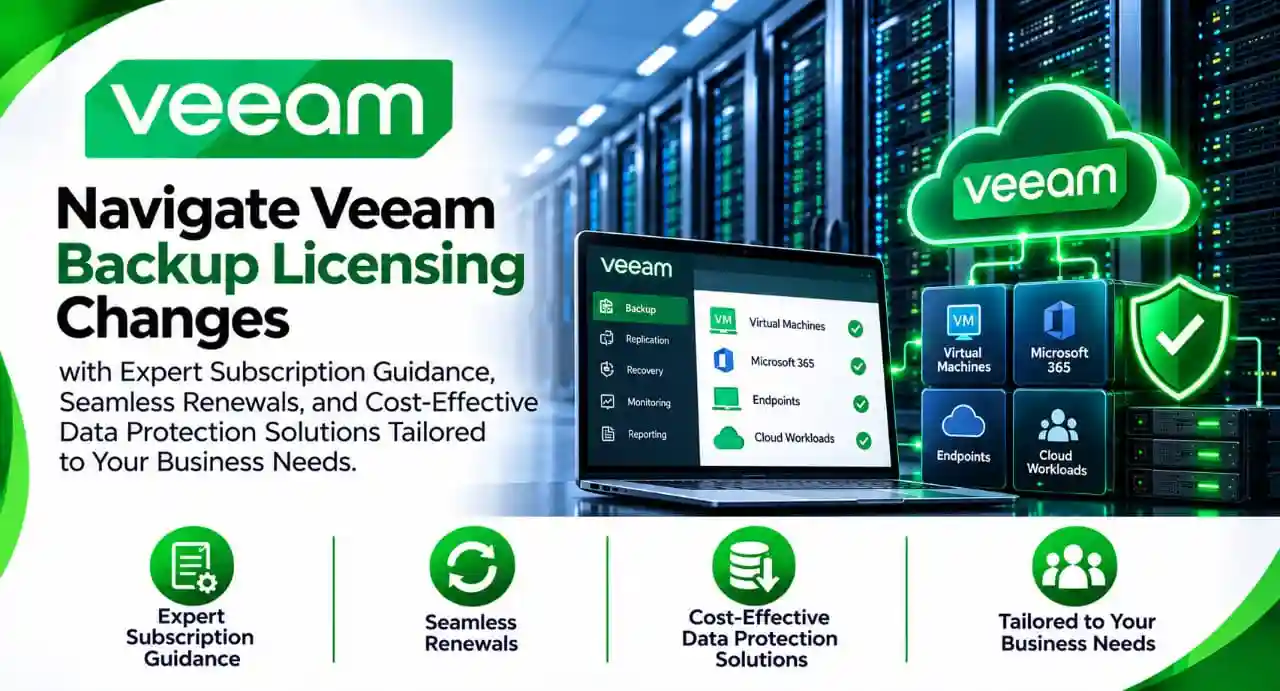
Veeam Licensing Changes & Subscription Model Update in 2026
Enterprise backup and disaster recovery strategies are rapidly evolving as organizations modernize hybrid cloud infrastructure, migrate workloads to SaaS platforms, and strengthen ransomware resilience. In 2026, Veeam continues to lead the enterprise backup market by expanding its subscription-first licensing strategy, enhancing cloud-native backup support, and modernizing the Veeam Universal License (VUL) framework.
Businesses increasingly require flexible backup solutions that support virtual machines, cloud-native workloads, Microsoft 365 environments, Kubernetes applications, and hybrid cloud deployments. To address these demands, Veeam has introduced significant licensing updates, enhanced portability features, improved ransomware protection, and deeper cloud integration capabilities.
This comprehensive guide explores Veeam licensing changes in 2026, subscription model modernization, VUL enhancements, deployment best practices, Microsoft workload protection strategies, and enterprise backup analytics shaping the future of data protection.
Why Veeam Licensing is Changing in 2026
The enterprise IT ecosystem has shifted dramatically toward:
- Hybrid cloud infrastructure
- Multi-cloud deployments
- SaaS application environments
- Kubernetes workloads
- AI-driven operations
- Cyber resilience strategies
Traditional socket-based licensing models are becoming less practical in modern elastic cloud environments. As a result, Veeam is prioritizing flexible workload-based licensing through the Veeam Universal License (VUL).
What is Veeam Universal License (VUL)?
Veeam Universal License (VUL) is Veeam’s portable licensing framework designed for modern enterprise environments.
VUL supports:
- Virtual machines
- Physical servers
- Cloud workloads
- Microsoft 365 backup
- Kubernetes applications
- Hybrid cloud infrastructure
Unlike legacy socket-based licensing, VUL enables organizations to move licenses across workloads dynamically.
Major Veeam Licensing Changes in 2026
- Subscription-First Licensing Strategy
Veeam continues transitioning customers toward subscription licensing models for:
- Better scalability
- Cloud-native flexibility
- Centralized license management
- Easier workload portability
Subscription licensing now dominates enterprise backup deployments.
- Expansion of VUL Features
VUL licensing now includes broader workload protection support:
- Microsoft Azure
- AWS cloud workloads
- Kubernetes environments
- SaaS applications
- Hybrid cloud systems
Organizations increasingly use VUL to manage mixed infrastructure environments.
- Gradual Retirement of Socket Licensing
Veeam has significantly reduced the availability of new socket-based licensing. Existing socket licenses can still operate in many environments, but VUL is becoming the preferred licensing standard.
Reddit discussions show many enterprises actively migrating from socket licensing to VUL-based subscription models for future-proof infrastructure planning.
- Enhanced Hybrid Cloud Support
VUL now supports:
- Azure backup workloads
- AWS cloud protection
- Google Cloud environments
- Kubernetes clusters
- Cloud-native applications
This aligns with increasing enterprise cloud adoption trends.
- Improved Microsoft 365 Backup Licensing
Veeam strengthened support for:
- Exchange Online
- SharePoint Online
- Teams backup
- OneDrive recovery
Microsoft 365 backup continues becoming one of the fastest-growing enterprise backup categories.
Veeam Backup Modernization Trends in 2026
Enterprise analytics indicate several major trends shaping backup infrastructure:
Rapid Growth in Ransomware Protection
Organizations prioritize:
- Immutable backup storage
- Air-gapped recovery systems
- AI-powered anomaly detection
Increased Adoption of Cloud-Native Backup
Cloud-native workloads now require:
- Kubernetes backup
- SaaS data protection
- Multi-cloud recovery orchestration
Expansion of AI-Driven Backup Operations
AI-powered backup systems now assist with:
- Predictive failure analysis
- Threat detection
- Automated recovery workflows
- Capacity optimization
Veeam Subscription Licensing Benefits
- Workload Portability
Organizations can move licenses between:
- On-prem infrastructure
- Cloud environments
- Virtual machines
- Physical workloads
- Simplified Hybrid Cloud Management
VUL supports centralized backup management across:
- VMware
- Hyper-V
- Azure
- AWS
- Kubernetes
- Better Scalability
Subscription models allow enterprises to:
- Scale backup infrastructure quickly
- Add workloads dynamically
- Support cloud-native growth
- Continuous Product Updates
Subscription licensing ensures access to:
- Security enhancements
- Feature updates
- Cloud integrations
- Compliance improvements
Veeam Deployment Best Practices in 2026
Step 1: Assess Infrastructure Requirements
Organizations should evaluate:
- Cloud environments
- Microsoft 365 workloads
- Recovery objectives
- Compliance needs
- Ransomware resilience requirements
Step 2: Plan VUL Migration Strategy
Migration planning includes:
- Identifying protected workloads
- Reviewing socket licensing dependencies
- Designing workload portability models
Veeam provides migration guidance for transitioning from socket licensing to VUL.
Step 3: Configure Immutable Backup Storage
Best practices recommend:
- Immutable repositories
- Air-gapped storage
- Backup segmentation policies
Step 4: Deploy Multi-Factor Authentication (MFA)
Security teams should secure:
- Backup consoles
- Administrative access
- Recovery environments
Step 5: Automate Monitoring & Recovery
Organizations should enable:
- AI-powered monitoring
- Automated backup validation
- Continuous recovery testing
Microsoft Licensing Updates Affecting Backup Strategies
Microsoft’s 2026 cloud ecosystem updates continue impacting backup and disaster recovery planning.
Key Microsoft changes include:
- Expanded AI integration in Microsoft 365
- Enhanced SaaS governance requirements
- Cloud-first licensing modernization
- Stronger compliance frameworks
- Deeper Microsoft Entra ID integration
These updates increase demand for advanced third-party backup solutions like Veeam.
Veeam Security & Ransomware Enhancements
Cybersecurity remains one of the biggest drivers of Veeam adoption.
New Security Features Include:
- AI-driven ransomware detection
- Immutable backup architecture
- Backup encryption
- Threat monitoring
- Secure recovery workflows
- Zero Trust backup infrastructure
Veeam’s ransomware protection strategy continues expanding across hybrid cloud environments.
Community Reactions to VUL Licensing
Enterprise discussions across IT forums and Reddit reveal mixed but evolving opinions regarding the transition to VUL licensing.
Many organizations appreciate:
- Better cloud flexibility
- Hybrid workload support
- Centralized management
Some enterprises with dense virtualization environments continue evaluating licensing efficiency during migration planning.
However, the overall market direction strongly favors subscription-based, cloud-native backup licensing.
Future of Veeam Licensing
The future of Veeam licensing includes:
- AI-driven license optimization
- Autonomous backup orchestration
- Cloud-native workload expansion
- SaaS-first backup architecture
- Kubernetes-focused protection models
- Intelligent cyber resilience platforms
Backup systems are evolving into proactive cybersecurity and operational resilience ecosystems.
Why Enterprises Are Choosing VUL in 2026
Organizations increasingly adopt VUL because it supports:
- Hybrid cloud scalability
- Cloud-native applications
- SaaS backup growth
- Centralized management
- Modern ransomware resilience
- Flexible infrastructure modernization
VUL has become the strategic foundation for modern enterprise backup operations.
Veeam licensing changes in 2026 reflect the rapid evolution of enterprise IT infrastructure, cloud-native environments, ransomware defense strategies, and SaaS-driven business operations. The Veeam Universal License (VUL) has become the core framework enabling flexible workload protection across virtual, physical, cloud, Kubernetes, and Microsoft 365 environments.
Businesses planning backup modernization, hybrid cloud deployment, ransomware resilience, and Microsoft workload protection must adopt structured licensing strategies and secure deployment architectures.
For organizations seeking expert guidance on Veeam deployment, VUL migration, hybrid cloud backup modernization, ransomware protection, Microsoft 365 backup implementation, and enterprise disaster recovery planning, Radiant Info Solutions provides enterprise-grade backup consulting, cloud infrastructure services, cybersecurity integration, and end-to-end IT resilience solutions tailored for modern digital enterprises.
Frequently Asked Questions.
What are Veeam backup licensing changes?
Veeam licensing changes may involve updates to subscription options, product editions, license metrics, support terms, and purchasing policies. Businesses should review the current Veeam licensing policy to understand how changes affect their existing environment.
What is a Veeam subscription license?
A Veeam subscription license provides the right to use the applicable software for a defined subscription term. Subscription offerings generally include support and maintenance for the active term, subject to the product’s licensing terms.
What is the difference between Veeam subscription and perpetual licensing?
A subscription license provides usage rights for a specified term, while a perpetual license generally allows continued use of the licensed software version under the applicable agreement. Support, maintenance, updates, and renewal requirements differ between the two models.
What is Veeam Universal License (VUL)?
Veeam Universal License is a flexible licensing option for eligible Veeam products and workloads. It can support licensing portability across supported environments, including virtual, physical, cloud, and other eligible workloads, subject to the applicable product and licensing rules.
Is Veeam moving from socket-based licensing to subscription licensing?
Veeam has emphasized Universal License options for modern, flexible workload protection. New sales of certain legacy perpetual per-CPU socket licenses have ceased. Existing customers should review their specific license type, support status, and eligible transition options before making changes.
How do Veeam licensing changes affect existing customers?
The impact depends on the products, license types, editions, support agreements, and renewal dates currently in use. A licensing assessment can help identify relevant changes and determine whether renewal, migration, or an alternative license model should be considered.
How can I check my current Veeam license and subscription status?
You can review license information through the Veeam software interface and the Veeam customer portal, where applicable. Check the license type, quantity, product edition, expiration date, and support or maintenance status.
What is the cost of Veeam backup licensing in India?
Veeam licensing costs vary by product, edition, number and type of protected workloads, subscription duration, support options, and commercial terms. Contact Radiant Info Solutions for a quotation based on your infrastructure and licensing requirements.
How can businesses stay compliant with Veeam licensing terms?
Businesses should maintain accurate records of licenses, protected workloads, subscription dates, support agreements, and deployment changes. Periodic license reviews can help identify potential compliance issues and keep licensing aligned with current requirements.
What happens when a Veeam subscription expires?
The impact depends on the product and license type. Expiration can affect software functionality, support eligibility, and access to updates. Review the applicable licensing policy and arrange renewal or an approved alternative before expiration.
Does a Veeam subscription include technical support?
Support and maintenance are included according to the specific subscription offering and applicable policy. Support levels and service commitments vary by product and agreement, so confirm the details before purchasing or renewing.
Can I renew my existing Veeam subscription?
Renewal options depend on the product, license type, contract terms, and renewal eligibility. Contact your reseller or Veeam to confirm the applicable renewal terms and avoid gaps in subscription coverage.
Why choose Radiant Info Solutions for Veeam licensing changes and subscription guidance?
Radiant Info Solutions can assist businesses with Veeam licensing enquiries, subscription procurement, renewals, license assessments, and transition planning. Our team can help you review your requirements and evaluate suitable licensing options for your backup environment.
How can I optimize my Veeam license usage?
License optimization starts with reviewing protected workloads, license quantities, product editions, and deployment requirements. This can help identify unused capacity, potential licensing gaps, and opportunities to align purchases with actual business needs.
Can I migrate from a perpetual Veeam license to a subscription?
Eligible customers may have options to transition to subscription-based licensing. Availability, pricing, and migration requirements depend on the existing license and product. Review the current terms before planning a transition.